
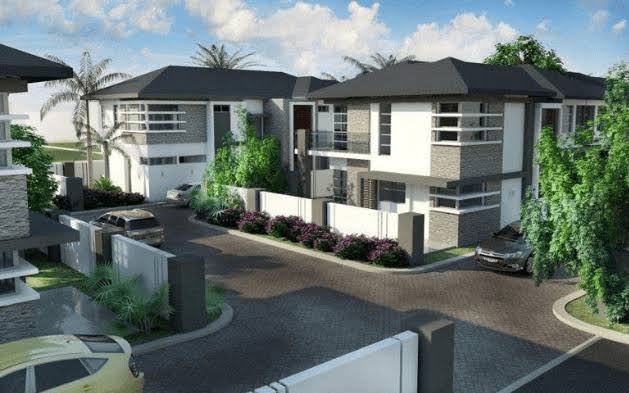
Estate Development: Building Communities That Stand the Test of Time
Estate development represents one of the most impactful segments of the real estate industry. More than individual properties, estates are thoughtfully planned environments designed to offer comfort, functionality, security, and long-term value. From residential neighborhoods to gated communities, estate developments bring together land, infrastructure, and lifestyle in a cohesive vision.
At the heart of every successful estate lies strategic planning and purposeful execution.
What Defines a Modern Estate?
A real estate estate is not simply a collection of homes. It is a structured development where layout, amenities, accessibility, and community living are carefully considered. Modern estates are designed to balance private living with shared spaces, creating environments that support both comfort and connection.
Common features of estate developments include:
-
Planned road networks and drainage systems
-
Residential plots or housing units
-
Green spaces and recreational areas
-
Security infrastructure and access control
-
Utility planning and service integration
These elements work together to enhance livability and long-term appeal.
Location and Planning Strategy
Location plays a defining role in estate development success. Estates situated near urban centers, major transport routes, or emerging growth zones tend to attract higher demand and sustained value appreciation.
Effective estate planning considers:
-
Accessibility to schools, healthcare, and commercial hubs
-
Future infrastructure and government development plans
-
Environmental suitability and land topography
-
Traffic flow and internal zoning
Strategic planning ensures that the estate functions efficiently while remaining attractive to both residents and investors.
Designing for Lifestyle and Functionality
Modern estate developments prioritize lifestyle just as much as structural design. Buyers and residents increasingly seek environments that promote convenience, safety, and quality of life.
Lifestyle-focused estate features may include:
-
Landscaped parks and walking paths
-
Community centers or shared facilities
-
Playgrounds and recreational spaces
-
Dedicated commercial or retail sections
Thoughtful design transforms an estate from a housing solution into a desirable place to live.
Legal Structure and Ownership Framework
A well-structured estate relies on clear legal frameworks that protect both developers and property owners. Proper documentation, compliance, and governance ensure transparency and long-term stability.
Key legal considerations often include:
-
Land title and development approvals
-
Estate layout approvals and permits
-
Ownership documentation and allocation
-
Estate management and governance structures
Strong legal foundations help maintain order and preserve property value over time.
Infrastructure and Service Development
Infrastructure is a critical component of estate development. Roads, drainage, power, water supply, and waste management systems must be planned and executed to support long-term use.
Well-developed estates benefit from:
-
Reliable utility access
-
Durable road and drainage systems
-
Efficient service layouts
-
Scalable infrastructure for future growth
Quality infrastructure reduces maintenance challenges and enhances resident satisfaction.
Investment Value and Market Appeal
Estate developments are often attractive to investors due to their scalability and long-term appreciation potential. As communities grow and demand increases, estates can experience steady value growth.
Investment advantages include:
-
Phased development opportunities
-
Strong resale and rental demand
-
Brand recognition for developers
-
Portfolio diversification
A well-positioned estate can serve as both a lifestyle offering and a high-performing asset.
Sustainable Growth and Community Building
Sustainability is becoming a key focus in modern estate development. Integrating environmentally responsible practices ensures long-term viability and community well-being.
Sustainable estate strategies may involve:
-
Green spaces and natural preservation
-
Efficient drainage and waste systems
-
Energy-conscious infrastructure planning
-
Community-focused layouts
These practices support healthier living environments and future-proof the estate.
Conclusion
Estate development is more than constructing homes — it is about creating lasting communities. Through strategic location selection, thoughtful design, strong infrastructure, and clear legal frameworks, estates can deliver enduring value for residents, investors, and developers alike.
A well-developed estate stands as a testament to planning, vision, and long-term commitment to quality living.